
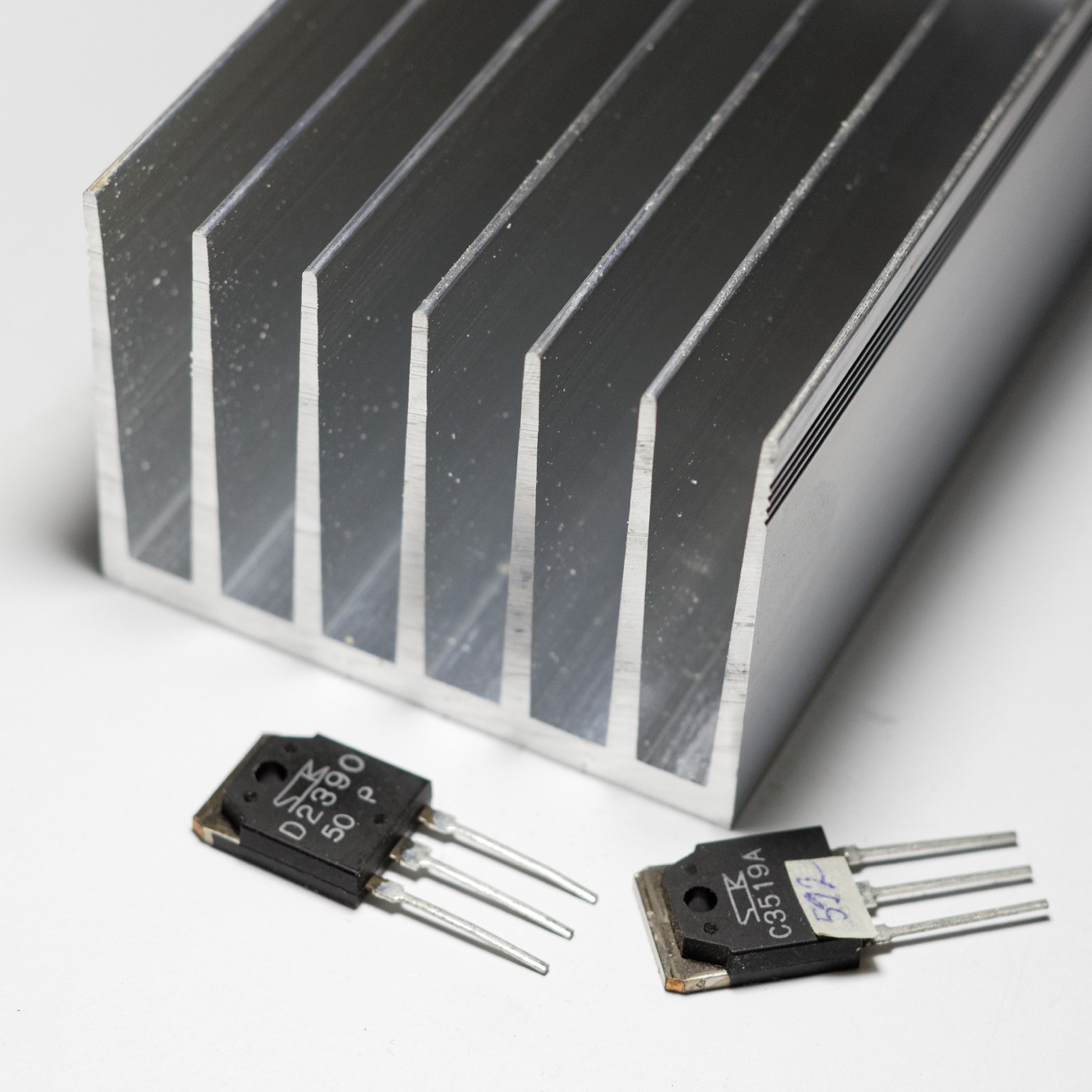
Fanless SBC Thermal Design for Industrial Enclosures
A system-level cooling method with thermal-resistance examples, interface-material tradeoffs, and a repeatable enclosure validation plan.
In today’s rapidly evolving world of embedded systems and human–machine interfaces, engineers and designers need reliable platforms that balance performance, scalability, and cost. This blog section brings together deep technical insights and field-tested experience from projects that combine Android and Linux SBCs, custom hardware design, and TFT/IPS display technologies.
From developing customized Board Support Packages (BSPs) for Rockchip or Allwinner SoCs to optimizing display readability in harsh industrial environments, our articles cover every stage of embedded product development. Whether you’re an engineer refining your firmware, a product manager planning an industrial HMI, or an entrepreneur exploring IoT device manufacturing, these resources will help you understand both the technical foundations and the strategic decisions behind successful embedded designs.
We also share comparisons between key SoC families (such as Rockchip vs NXP), display technologies (like IPS vs OLED), and system integration best practices. By combining software, hardware, and interface perspectives, our goal is to help you shorten your design cycle, improve reliability, and build smarter, more efficient embedded products. Explore the articles below and stay updated on the latest trends shaping the embedded electronics industry.
A system-level cooling method with thermal-resistance examples, interface-material tradeoffs, and a repeatable enclosure validation plan.
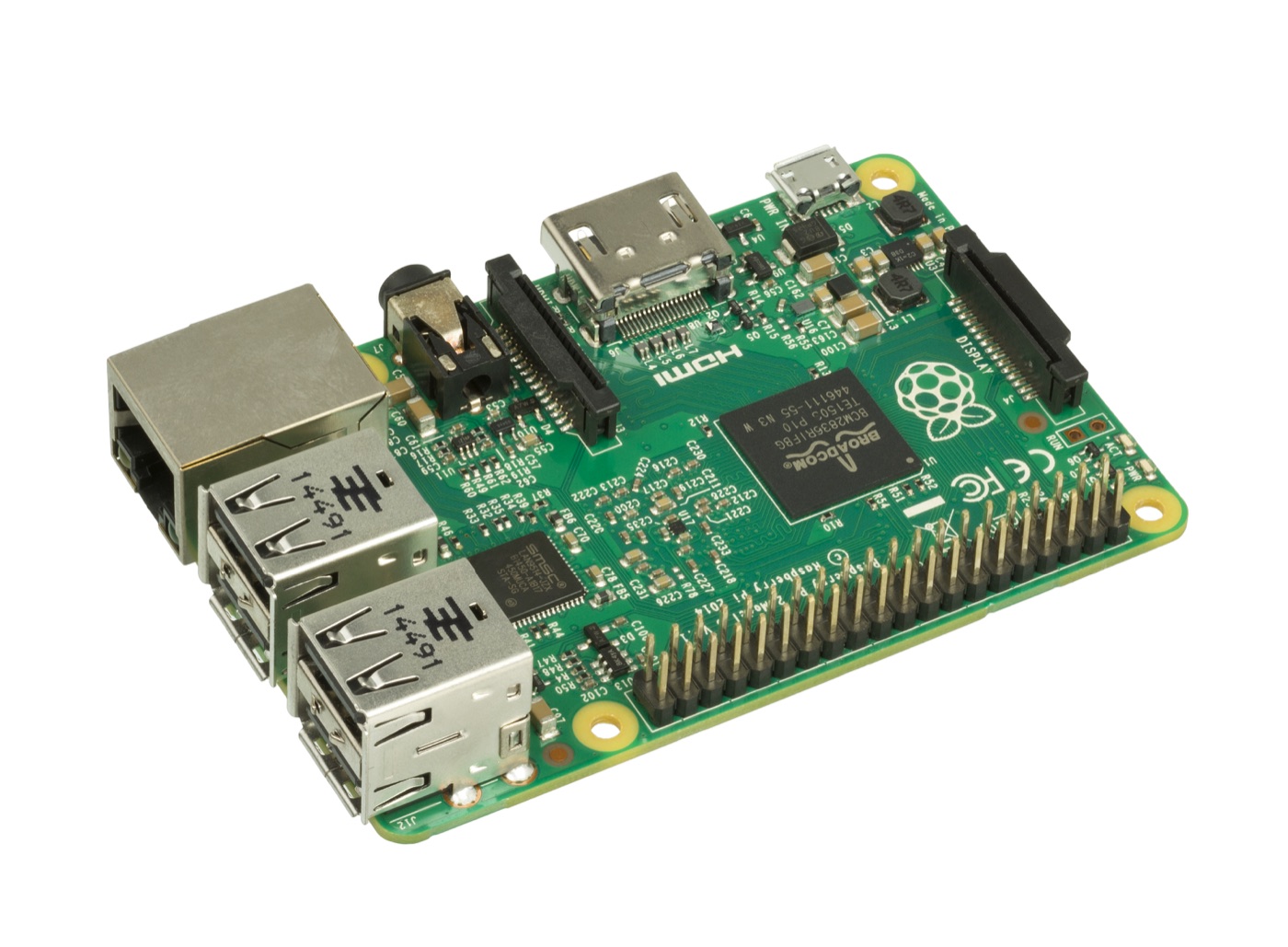
Why a heartbeat is not proof of application health, how watchdog ownership fails, and what to verify before unattended deployment.
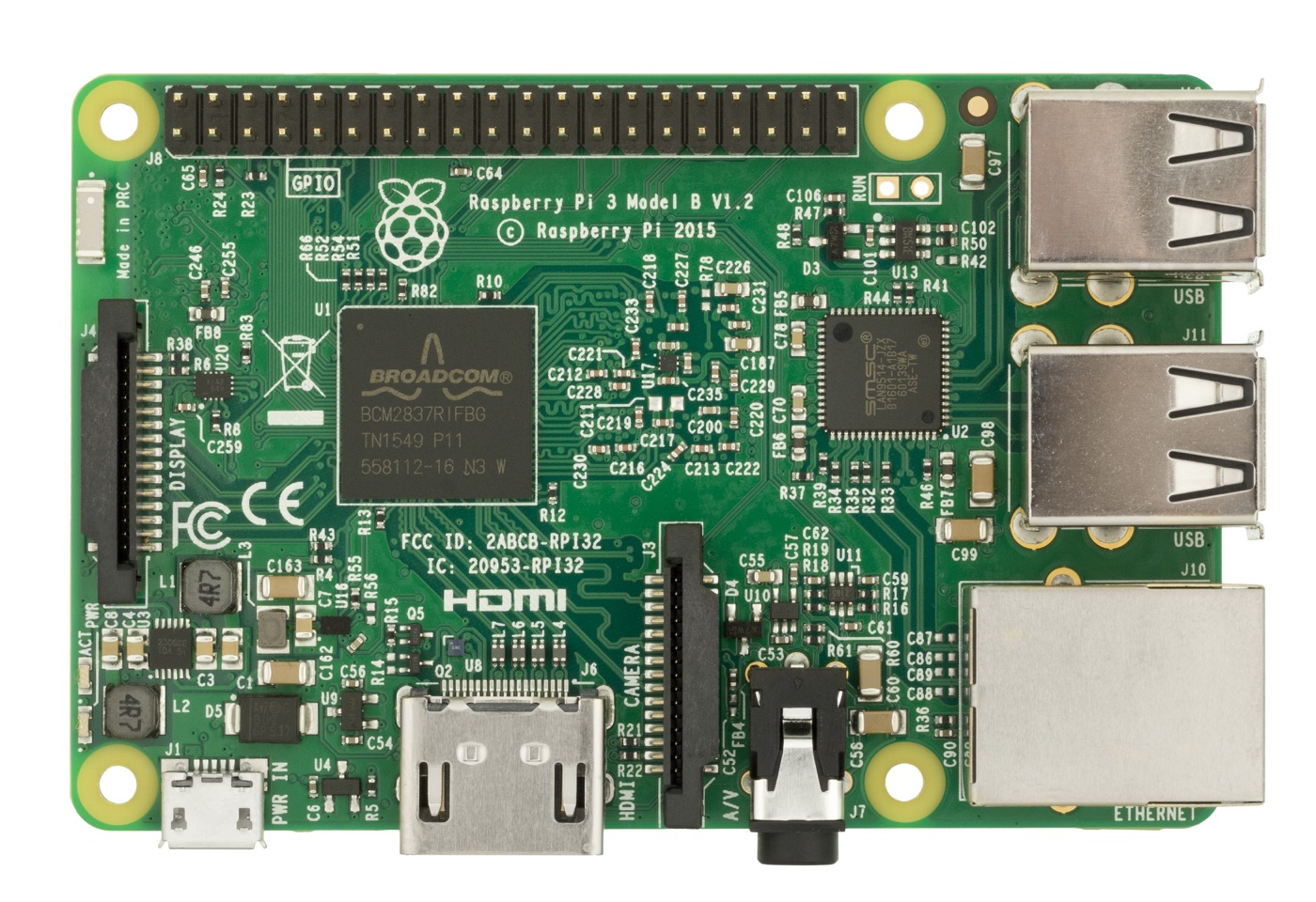
A practical lifecycle plan that separates processor availability from board supply, software support, production demand, and service inventory.
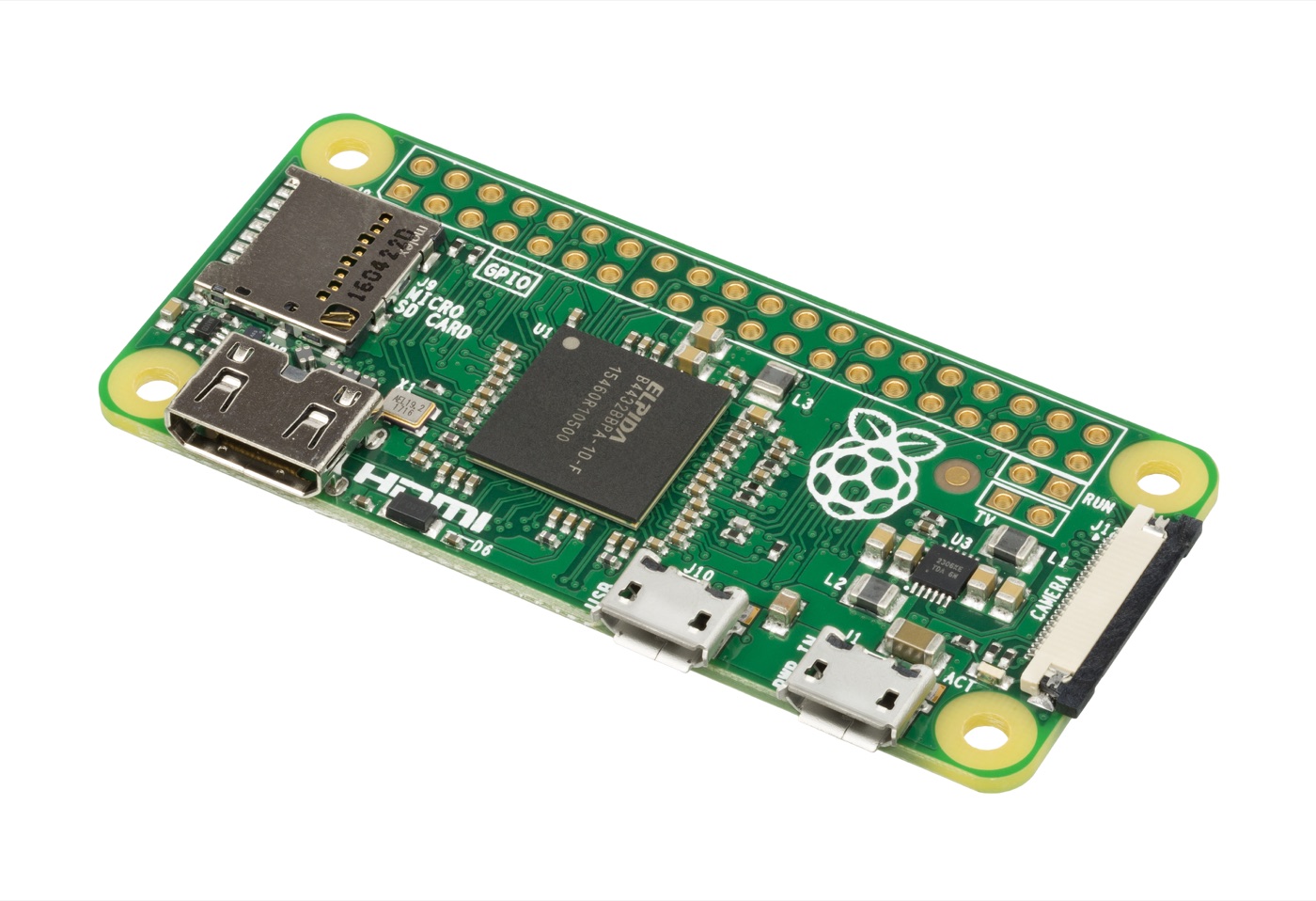
Turn an industrial-grade label into verifiable requirements, from cold boot and enclosure temperature to controlled component substitutions.
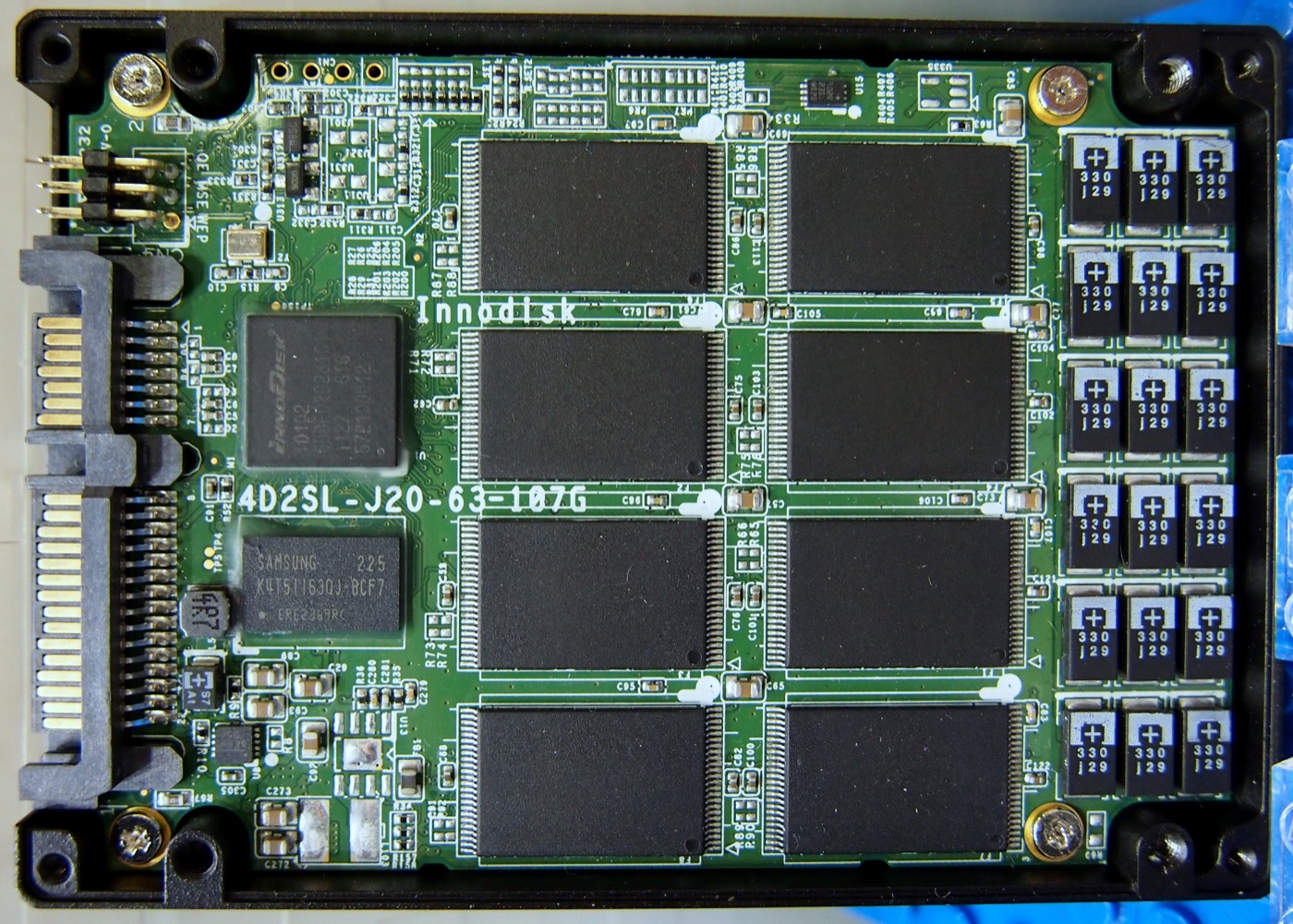
Storage selection based on boot architecture, sustained workloads, host-write budgets, power interruption, and production qualification.
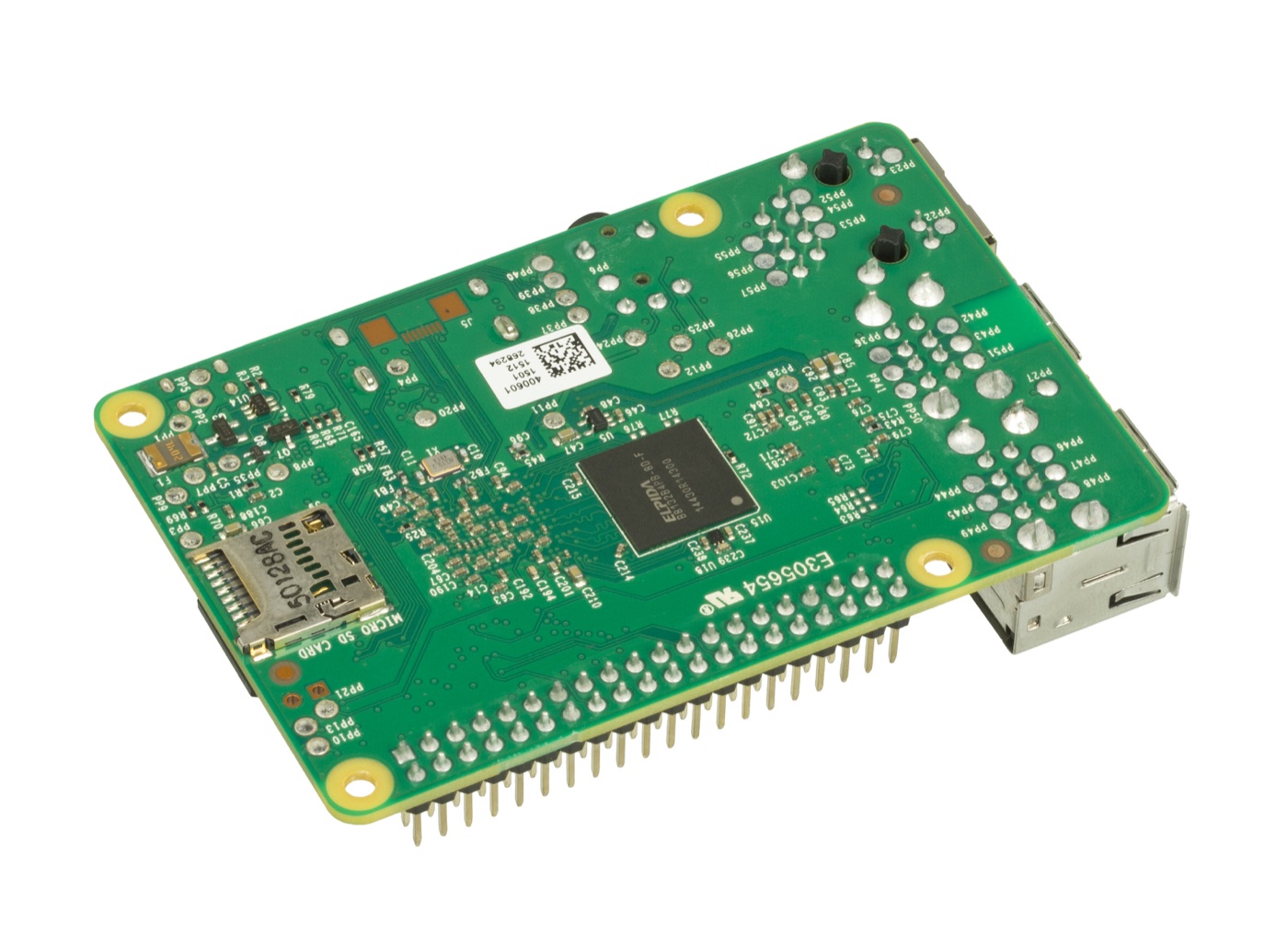
A workload-first RAM sizing method, with a capacity decision table, graphics-buffer calculation, and a repeatable Android measurement procedure.
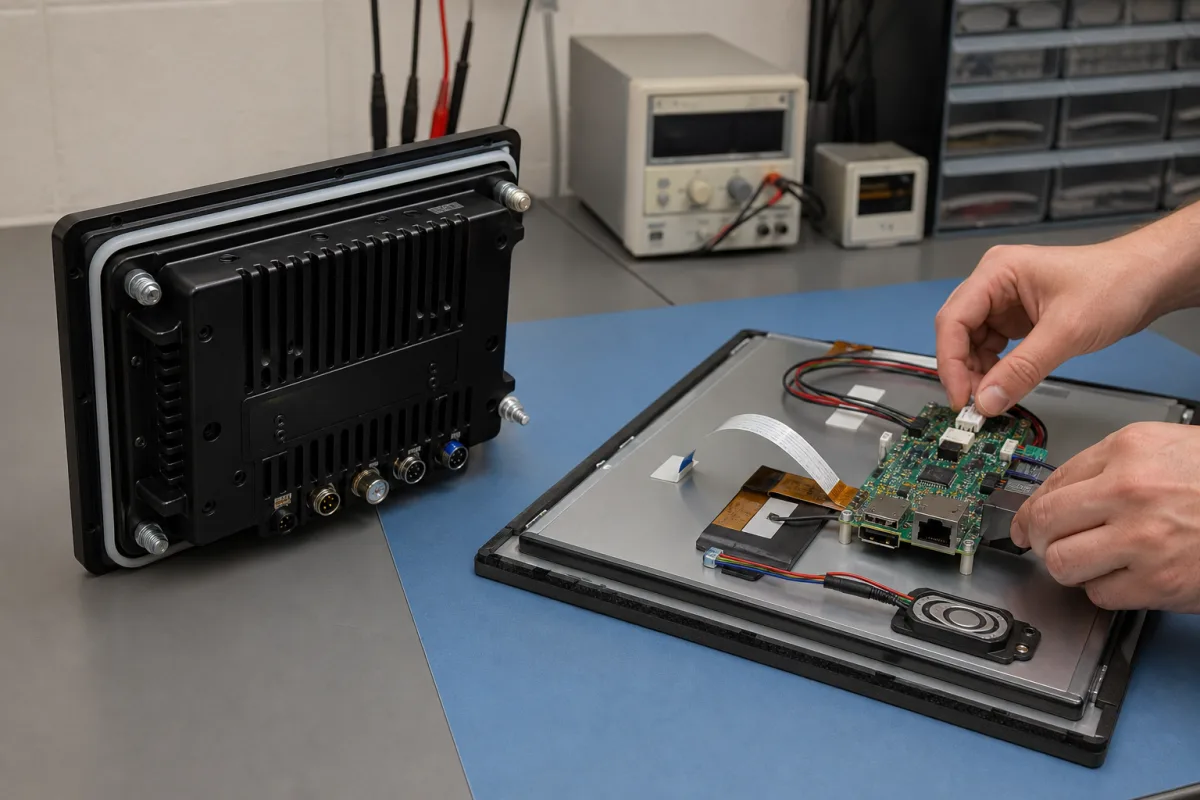
An engineering comparison of buying an integrated Android panel PC and building a custom HMI around a separate SBC, LCD, touch panel, and enclosure.
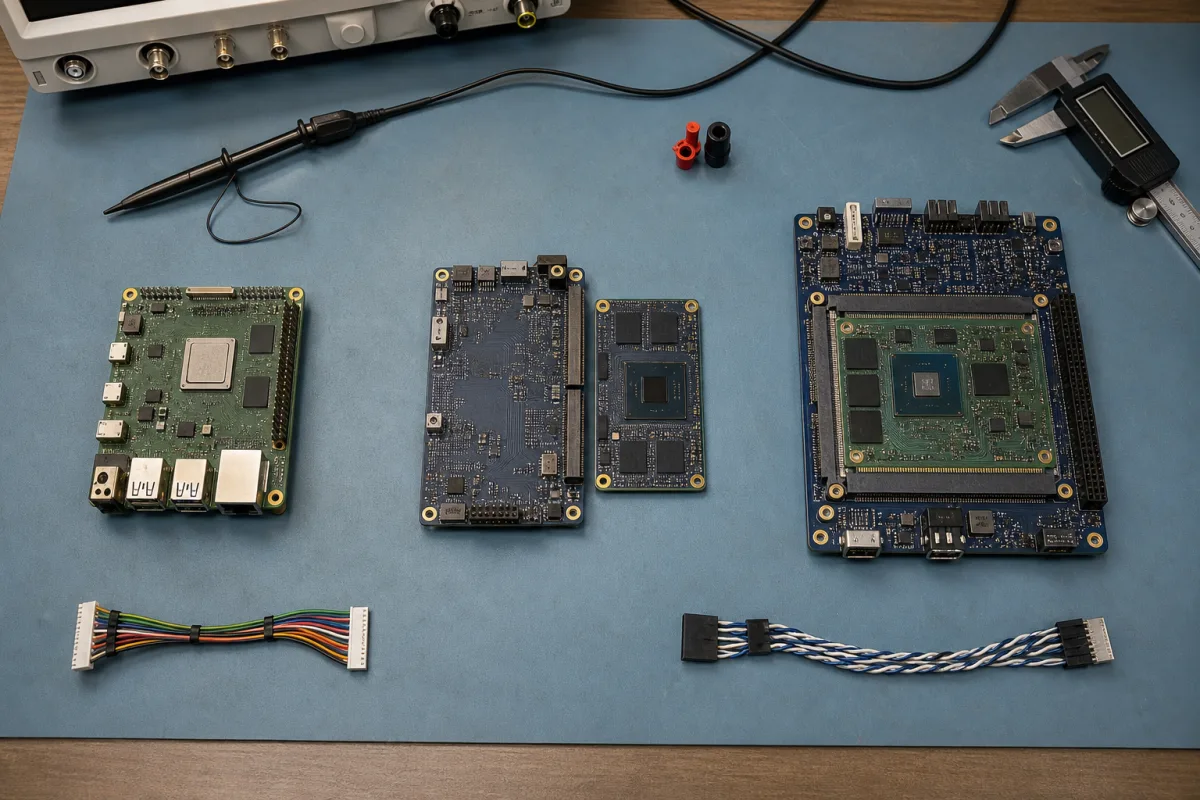
A practical embedded architecture guide that separates confusing module terminology and shows where each option places engineering risk.
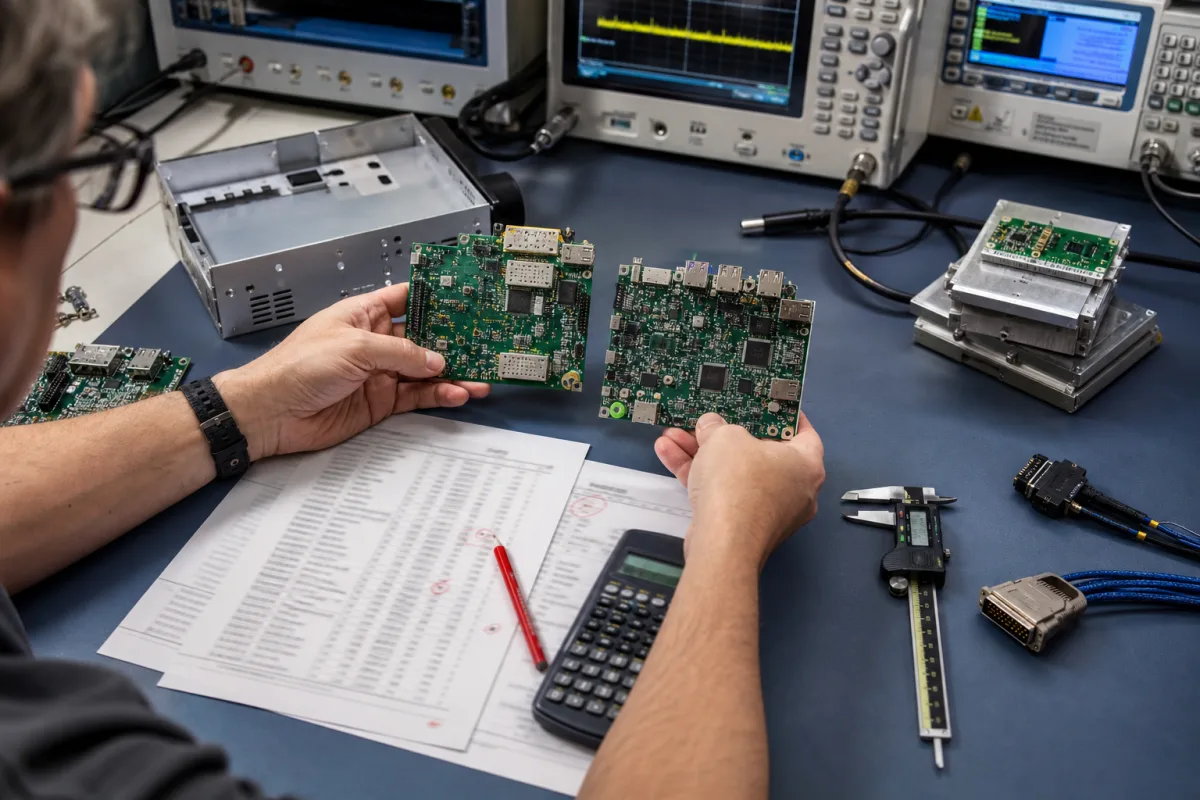
A transparent budget model for custom ARM SBC programs, including what typical quotations omit and how to compare supplier scope.
Tell us about your embedded project and required specifications. We provide Android & Linux SBCs, core boards, and custom embedded systems based on Rockchip, Allwinner, NXP, and MTK SoCs.